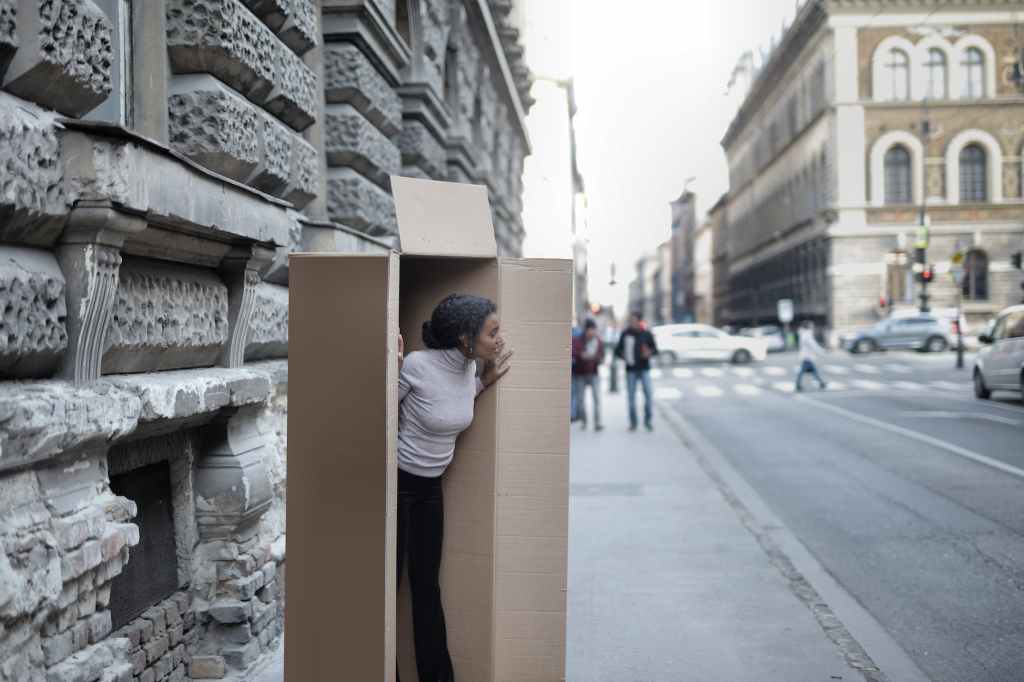
In this episode, we will discuss and learn about anxiety when socializing with people.
Often people feel anxious when deciding what they want to pursue. And most people feel scared and uneasy when what they want to pursue differs from what most people expect. This uneasy feeling is what we call social anxiety.
It’s not weird for someone to have this kind of anxiety. In one moment, social anxiety protects us from rejection.
How? When we try to fit in with the culture and not embarrass ourselves by abiding by the rules. That’s the pro, but here it comes with the cons. One of the biggest cons is that when you let social anxiety dictate and interfere with the life you want to live.
For example: When you believe you will be rejected for something because you have certain flaws, deficiencies, or something mismatched from the things you want to be accepted.
Sometimes we also try to downgrade our worth just because we need to do something better from the perspective of others. When we let the feeling of being “less” apply to our life each time, it will develop into a social anxiety disorder.
The symptoms of it are:
- Overly concerned about people’s perspectives towards them.
- Afraid of harsh evaluation
- Afraid of rejection
Here are the myths that we often hear about social anxiety:
- Having social anxiety means that they hate to be around people.
That’s not the case. Many people also desire to be in strong, healthy, and intimate relationships. They also feel happy to be in a circle when they’re welcomed. - They avoid spotlight
The spotlight itself comes in many different shapes. Someone with social anxiety isn’t always afraid to show what they got in front of many people.
They might have their comfort zone to show who they truly are. One person can have anxiety when talking with 100 people, but the same person can nail competition in front of those audiences or fans. - Social anxiety is harmless.
It might seem harmless, but for the body who experienced it, it disturbs their journey to obtain and appreciate the benefit of being accepted.
Three ways to solve it:
- Identify early
(Usually, it appears before the 14th birthday).
Don’t neglect small cues.
If it’s not handled correctly, it might develop into something bigger, and it can cause other mental illnesses. Ask yourself these two questions:- Is your fear of rejection one of your worst fears?
- Does your fear of rejection get in your way of doing the thing you enjoy or want to be?
- Harness your platform
You can admit it and be open if you are okay with it. It will reduce people’s stigma, correct their perspective, and even they might offer you some help. - Foster social courage
Instead of preventing or avoiding rejection, you can pursue it without worrying about what people might think. Because:- Your chances and your rejection percentage are not ZERO
- It’s a crucial matter for you.
- Whatever the result is, it’s not going to define your worth.
“Know your worth, find social groups which make you feel welcomed. And you will find your purpose that makes you feel most alive, most present. and most authentically you.” – Fallon Goodman
 AMKNWORLD
Leave a comment