Life has been a bit hectic lately, but I’m excited to dive back into discussing Japanese philosophies. In my previous article, we explored Wabi-Sabi, and today, we’ll delve into the beautiful concept of Kintsugi.
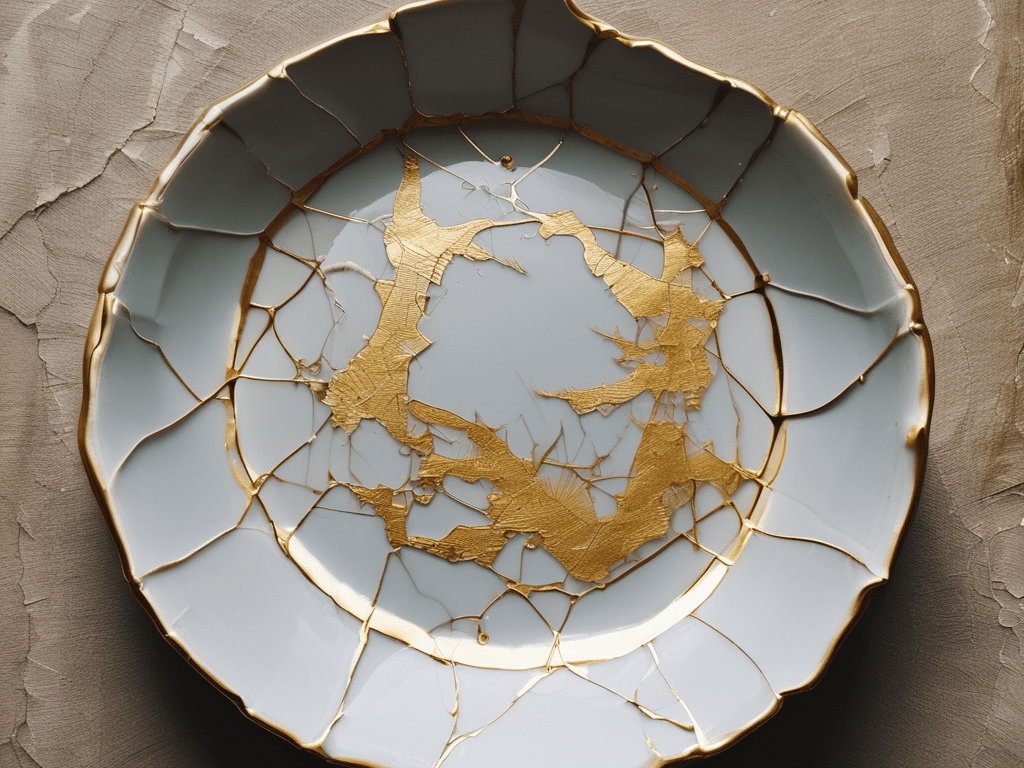
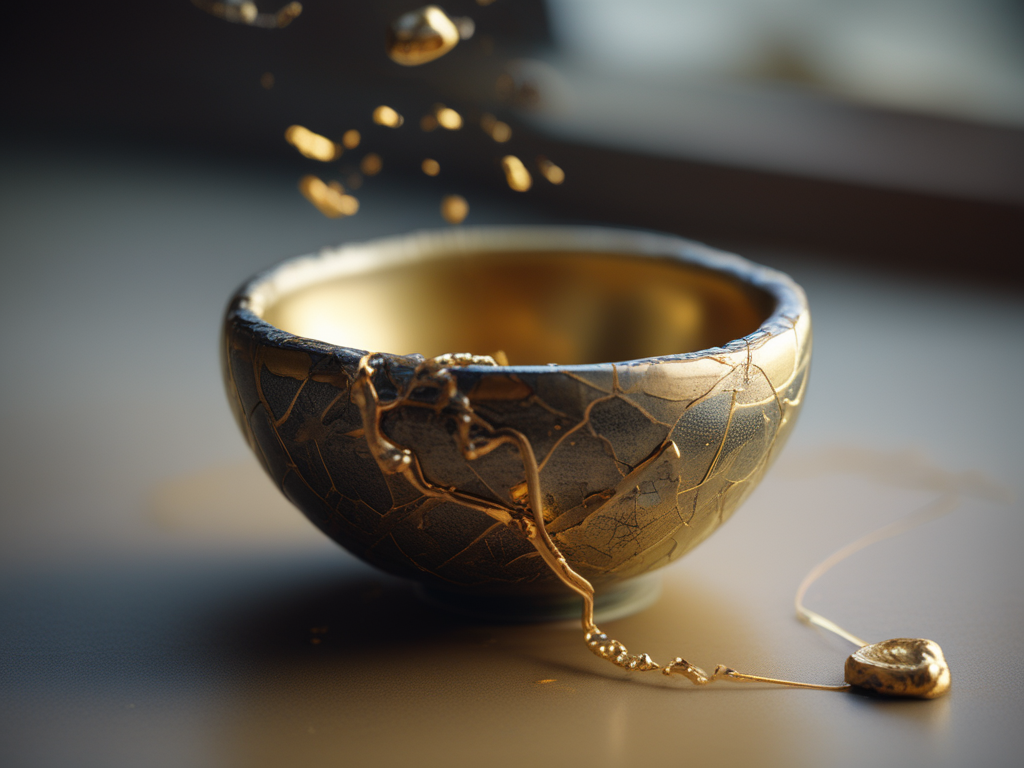
Kintsugi, another profound Japanese philosophy, centres on the idea of repairing broken ceramics with gold dust. This process doesn’t just restore the item; it transforms it, highlighting the cracks rather than hiding them. The gold dust symbolizes that imperfections can add value and beauty.
Kintsugi teaches us a powerful lesson that extends beyond ceramics: “Beauty can be found in brokenness and imperfections.” Our flaws, past mistakes, and hardships shape us into stronger, better individuals. A fitting song that encapsulates this idea is “Scars to Your Beautiful” by Alessia Cara. Just like each of us, the song reminds us that our scars—whether physical or emotional—contribute to our unique beauty.
The connection between Wabi-Sabi and Kintsugi is clear. Both philosophies embrace imperfection and celebrate the journey of growth and transformation. Our lives are a mix of highs and lows, challenges and joys. These experiences make us unique and precious.
To appreciate the beauty in our lives, we must endure difficult times. Success is sweeter when we’ve tasted failure. To navigate our “gold dust” period—our journey to healing and self-acceptance—we can adopt the following attitudes and mindsets:
- Kindness: Be kind to yourself. Recognize your worth and treat yourself with respect.
- Investigate: Stay persistent and pay attention to what needs your focus.
- Notice: Acknowledge what is broken so you can begin to repair it.
- Time: Understand that healing is a gradual process. There are no shortcuts.
- Stillness: Practice patience and trust. It’s normal to feel stuck at times; this is part of the restoration process.
- Urushii: The gold lacquer that’s been used in this Kintsugi process, even though it’s poisonous, is a MUST-have since it’s critical for our growth journey.
This lacquer, despite its toxicity, is one of the strongest materials for restoring broken ceramics, representing our ability to shine despite our cracks. - Gold: Golden scars represent the ability to shine despite the cracks
- Intention: Be clear about your purpose in practising these principles.
By incorporating these principles into our lives, we can embrace our imperfections and see the beauty in our journey. Kintsugi reminds us that our cracks are not flaws to hide but parts of our story that add value and uniqueness to who we are.
Original written by Motoki


Leave a comment