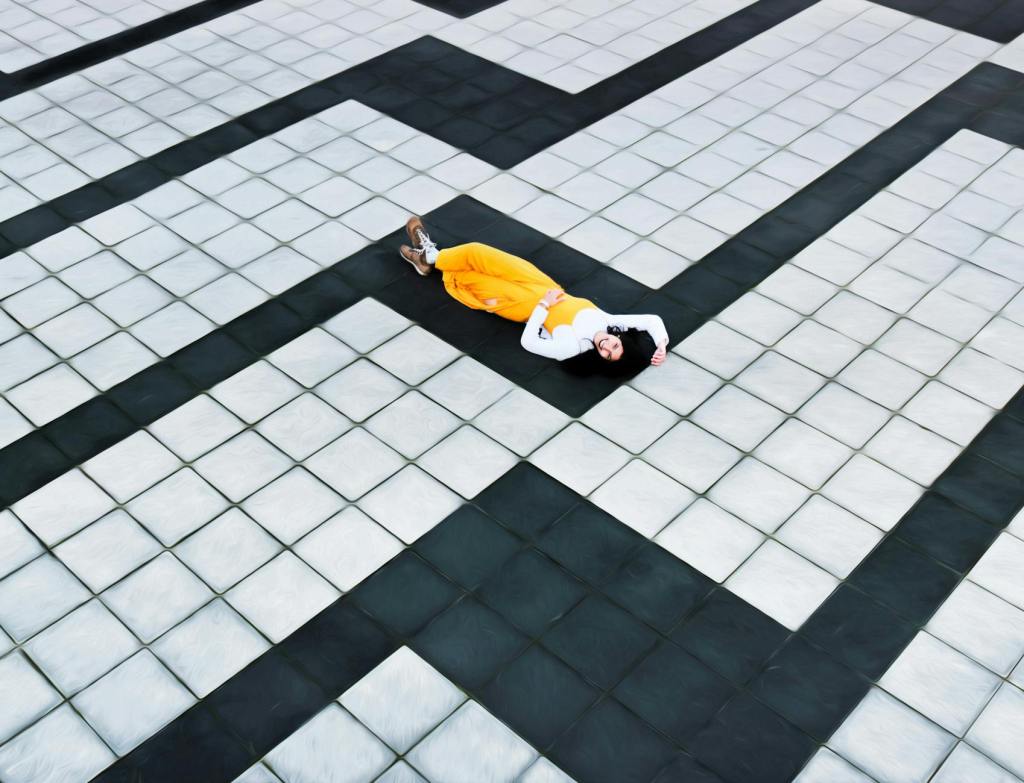
We’ve been taught that rest should be earned.
That we need to work harder, do more, and prove our worth before we’re allowed to slow down. But what if that belief is the exact reason for what’s making us feel exhausted?
What if your body has been asking you to pause long before you decided to listen?
In this article, we’ll talk about a simple yet powerful practice that challenges everything we think we know about rest.

Let’s begin!
We often push ourselves so hard that we end up feeling exhausted. This can show up as burnout, constant overthinking about our online lives, or emotional numbness.
Floor time acts like a reset for your body, using basic principles of physics and how our brains work to help us feel balanced again. It’s a free way to find relief if you feel overwhelmed or overstimulated.
Today, we hear a lot about ergonomic chairs and fancy mattresses, but these can actually encourage poor posture. In contrast, the floor gives your spine a neutral, supportive surface, helping it return to its natural alignment. This also helps your body release deep muscle tension.
“Even when sleeping on a mattress, our spine is never fully decompressed,” explains yoga expert and Scoria CEO Yara Kamal.
“But when you lie on the floor, gravity pulls everything down evenly, which helps your body realign and correct imbalances from daily posture and movement.”
Floor time connects directly to your nervous system. Chronic stress can trap us in a constant state of alertness, known as fight-or-flight, freeze, or fawn. Most people know about the fight-or-flight response, but the fawn response is a quieter stress response in which we try to please others to feel safe.
When you lie flat on a hard surface, known as floor time, you signal to your brain and body that it’s safe to relax. Here are some of the benefits:
- Physically grounded. This connection tells your brain you’re in a safe, comfortable place, which helps you feel more present.
- Lowering Stress Hormones: Feeling safe helps reduce cortisol, the hormone your body makes when you’re stressed. As you relax, these stress hormones start to fade.
- Switching to Rest Mode: Lying down activates your parasympathetic nervous system, also called the rest-and-digest mode. This helps shift your body out of the high-stress fight-or-flight state.
- Slowing Down Your Body: Once you’re in rest mode, your heart rate slows, your blood pressure drops, and your breathing becomes steady again.
- Moving from On Edge to Stable: If you’ve been feeling constantly on edge or overwhelmed, floor time can help steady your emotions. It takes you away from stressors like work or chores and lets your mind and body return to a calm, neutral state.
In South Africa, the idea of imveli, or returning to one’s roots, captures the grounding effect of spending time on the floor. This practice brings back childhood memories of peace, shared rest, and relaxed daydreaming. It’s more than nostalgia; it helps counter digital stress and the pressures of adult life. The cool floor also helps regulate emotions.
When we’re in a functional freeze, our ability to switch between ideas is limited. At this point, things like exercise or journaling can feel overwhelming instead of helpful. Floor time is different, it’s a non-task, similar to the Dutch idea of Niksen, or doing nothing. There’s no pressure to be productive, so it feels safe and easy to start.
Anxiety can trap us in cycles of overthinking and strong emotions. Practicing this kind of grounding helps break those cycles. This practice is similar to Savasana, or corpse pose, which is meant for complete relaxation. A clinical study in India looked at 30 people with depression and found that regularly practicing Savasana could lower depression scores, improve mood, and help with emotional regulation.
Floor time is a gentle way to slow down and bring calm back into your life. It reminds us that rest isn’t something we have to earn—it’s something we all need.
References:
- Ferguson, S. (2026, March 3). 5 Ways TikTok’s “Floor Time” may support mental health and wellbeing. Retrieved March 26, 2026, from https://www.verywellmind.com/floor-time-11917599
- Knake, L. (2025, November 9). What is Floor Time, the Viral Mental Health Trend? MI Blue Daily. https://www.bcbsm.mibluedaily.com/stories/health-and-wellness/what-is-floor-time
- Lavenia, A. (2024, June 19). Did You Have a Bad day? Maybe You Need “Floor Time” Right Now! Interest. https://www.cxomedia.id/wellnes/20240619181940-18-180517/did-you-have-a-bad-day-maybe-you-need-floor-time-right-now#:~:text=As%20your%20parasympathetic%20nervous%20system,will%20make%20you%20more%20comfortable.
 AMKNWORLD
Leave a comment